More Than Words: Why an Inclusive Bilingual Wedding is the Most Exciting Choice You'll Make
A Tale of Two Weddings: Real-Life Examples
Luca and Andrew: A Scottish-German Love Story
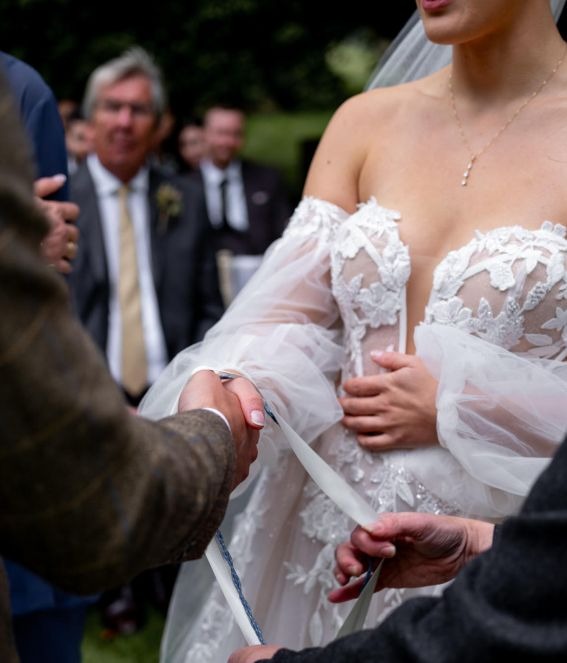
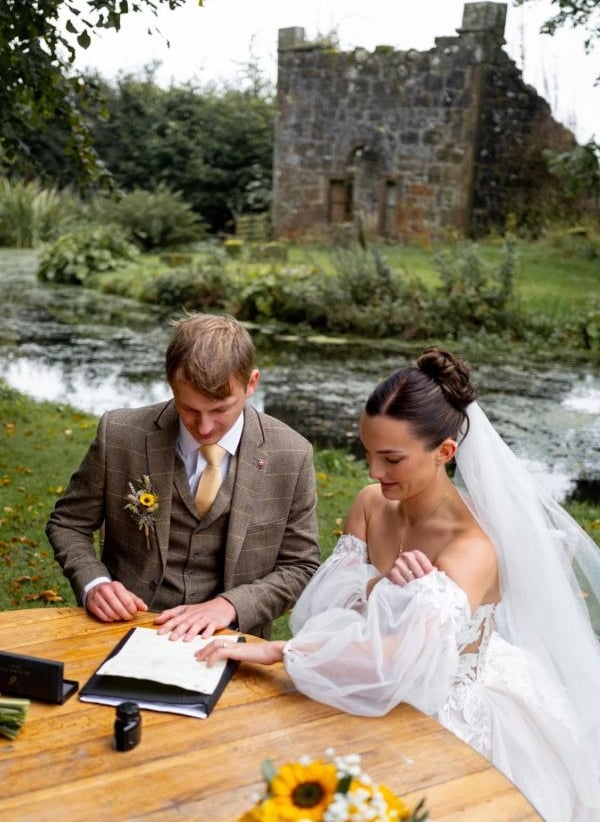
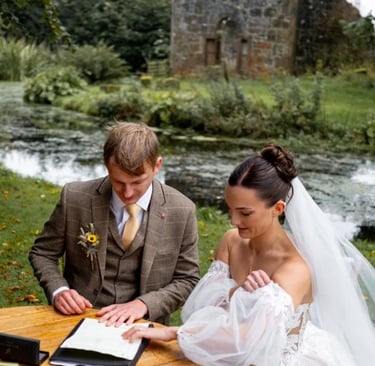
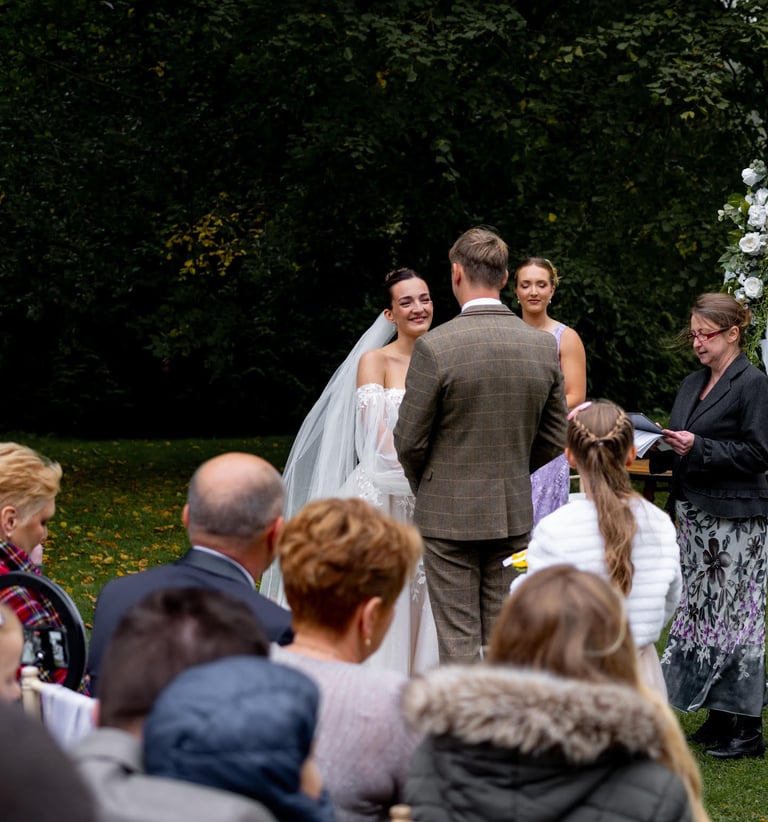
For Luca and Andrew's stunning outdoor wedding, creating an inclusive ceremony was key. By weaving German and English together, we ensured Luca's family wasn't just watching from the sidelines; they were living the ceremony, understanding the jokes, and feeling the emotional depth in their own language.
As Andrew said: “The ceremony was a perfect reflection of us as a couple and we loved that you were able to conduct it in both English and German so all of our guests felt included... We had so many guests comment on how it was the best ceremony they had ever been to.”
Read Luca and Andrew's full story here: https://alltheceremoniesofthenorth.co.uk/luca-and-andrew-bilingual
Ellie and Stevens: A Castle Wedding with a Personal Touch
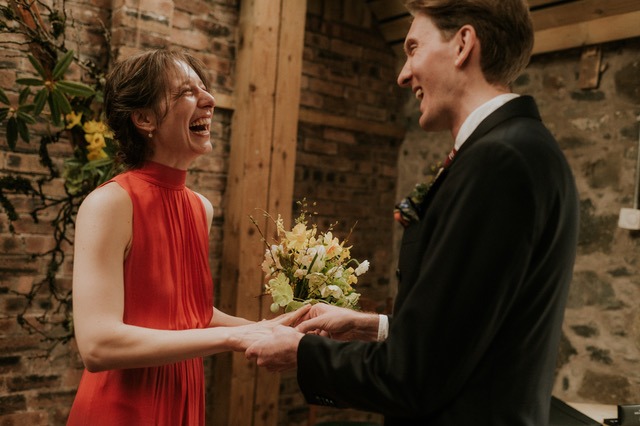
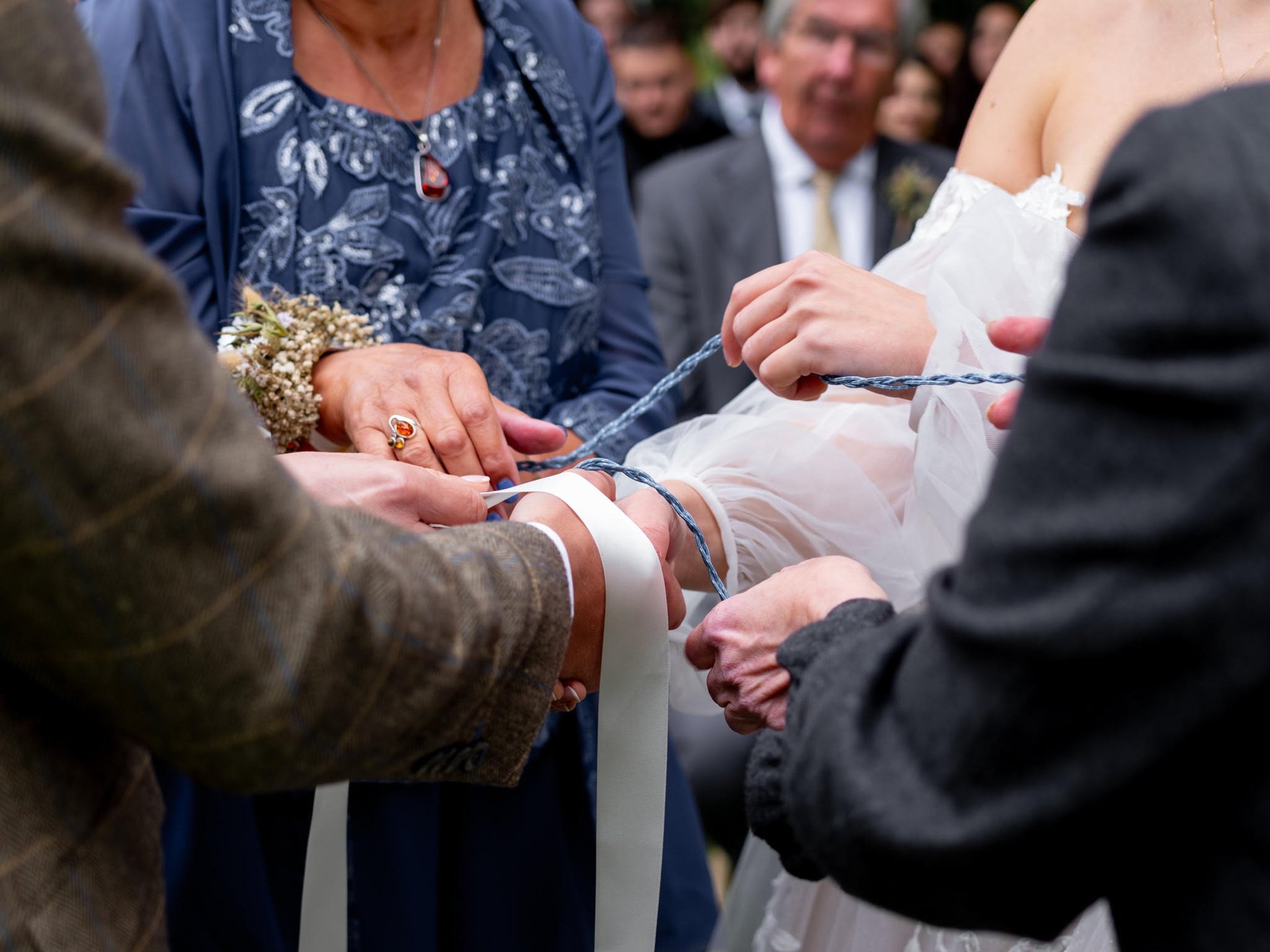
Ellie and Stevens' castle wedding was a beautiful, elegant affair. We were able to share stories and anecdotes in both languages, English and German, ensuring that every single guest felt like they were an integral part of the couple's journey.
Here’s what they had to say: “The ceremony was beautiful, personal, and funny. You captured us perfectly... The fact you could do it in both German and English was amazing and meant that all our guests felt included.”
See more from Ellie and Stevens' day here: https://alltheceremoniesofthenorth.co.uk/ellie-stevens-bilingual-castle-wedding
The Dream of a Wedding in Scotland – with its majestic castles and breathtaking landscapes – is the very definition of romance for many couples.
But when part of your family or circle of friends comes from the German-speaking world, one important question quickly arises: How do we create a ceremony where every guest truly feels welcome, included, and emotionally connected?
As an Austrian by birth, living in Scotland and working as a celebrant, this question is very close to my heart. I’ve accompanied many couples on this journey and witnessed how a thoughtfully designed bilingual ceremony can become one of the most emotional and unifying moments of the entire wedding day.
The usual worries: Will it be boring? Will it be too long?
Most couples come to me with the same concerns. You might recognise yourselves here:
The timing question: “Won’t the ceremony end up being twice as long?”
The fear of boredom: “Won’t our English-speaking guests switch off when German is spoken? (and vice versa)”
Out of these worries, many couples consider a compromise: sprinkling in just a few German or English sections. It seems like the simpler solution. In my experience, though, this often creates a slightly restless feeling — a constant stop-and-go that disrupts the emotional flow of the ceremony and, in the end, feels less inclusive rather than more.
The magic of two languages: it’s not about translation
Let me clear up the biggest misconception right away: a successful bilingual ceremony is not a block-by-block translation. I would never deliver everything first in English and then repeat it all in German. That really would be boring.
Instead, it’s an art form — weaving the two languages together. In a way, it’s closer to transcreation than translation: the meaning, emotion, and intention are carried across, rather than the exact same words. I look for natural pauses and logical transitions, creating gentle, charming moments of tension. A heartfelt sentence in German, the reaction of family members, a smile — and suddenly the English-speaking guests are curious and emotionally engaged, even before the essence of that moment is carried over. This creates a shared experience, a rhythm that carries everyone along together.
It also requires a deep understanding of cultural nuance. Austrian or German humour works very differently from dry British wit. After 25 years in the UK, I’m able to adjust the tone for both cultures so that it feels authentic and natural — not like a diluted middle ground.
Why this matters so much to me: my own story
This topic is deeply personal. At my own wedding, we simply handed my parents a printed translation of the ceremony. The memory of them looking down at a piece of paper to follow along, instead of truly living the moment with us, still hurts today.
That feeling is what drives my work. I want every couple to have the chance to do it better — and to create a ceremony where no one feels like a bystander at one of the most important moments of their lives.