
A Practical Guide to a Calm Outdoor Wedding
My Philosophy: Plan for Reality, Not Perfection
The great thing about an outdoor ceremony is its unpredictability. My role isn't to try and control the environment, but to create a calm, flexible ceremony that can handle whatever the day brings.
Here are a few common sensory elements and my straightforward, practical approach to each.
1. The Soundscape: It's Rarely Silent
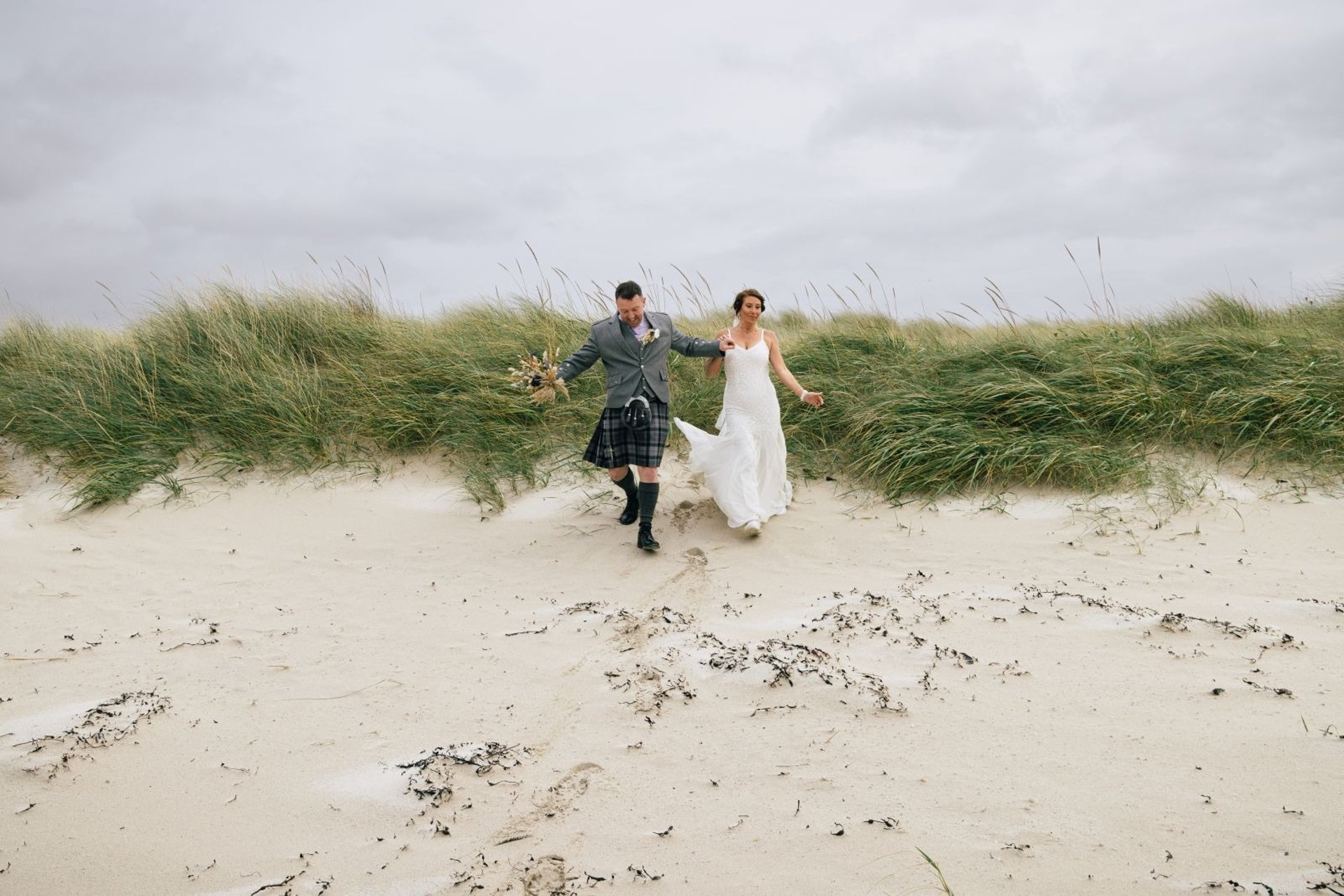
An outdoor space is full of sound: wind, waves, birds, even distant traffic. While these sounds are part of the experience, they can make it harder to focus.
How I handle it: Instead of aiming for impossible silence, I focus on connection. We’ll stand close enough to hear each other without straining. I’ll be watching you, and if a gust of wind snatches a word, I’ll know to repeat it. We build natural pauses into the ceremony, letting the sounds of nature become part of the story, not a distraction from it.
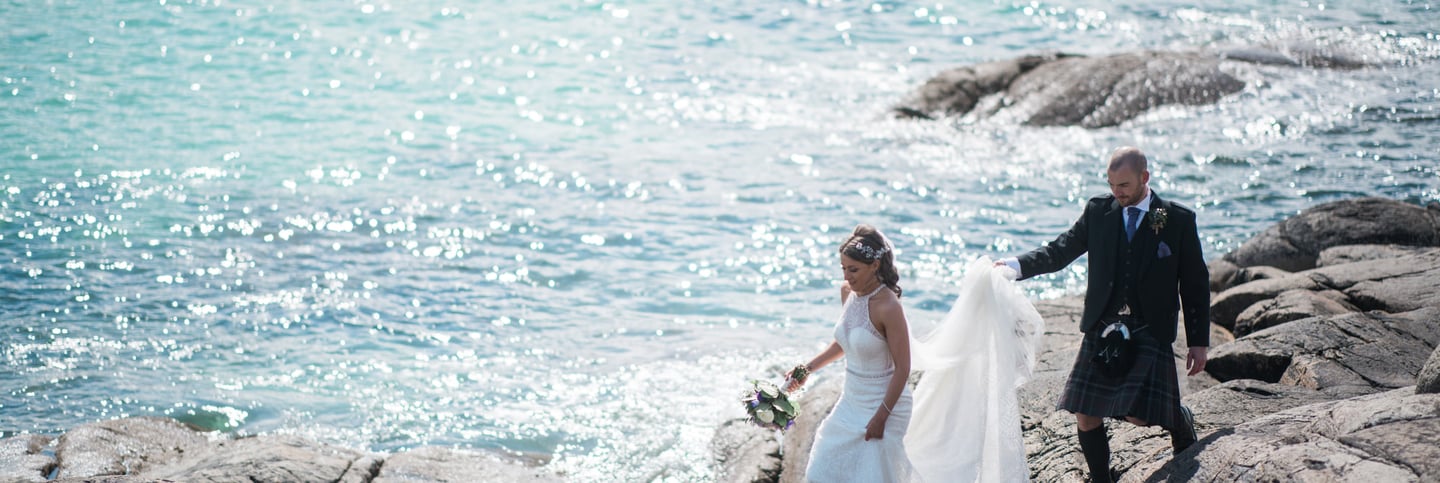
The classic image of a Scottish elopement is often a wild, dramatic landscape. As a celebrant who holds most of my ceremonies outdoors, I completely get that pull towards nature.
But I also know that a solid roof over your head can be a great thing! Eloping to a breathtaking location doesn't mean you have to get married in the middle of a gale. A cosy cottage with a huge window looking out at the mountains can be just as meaningful. It’s one of the first things we’ll talk about: what feels right, and genuinely safe, for you.
For now, let's get into the specifics of being outdoors. In our last article, we talked about why it's okay to have worries. This is a practical look at how we can handle the sensory side of things, so you can feel comfortable and actually enjoy your day.
2. The Visuals: When a Big View Feels Like a Lot
A huge, open landscape can be incredible, but it can also be visually overwhelming without a clear place to rest your eyes.
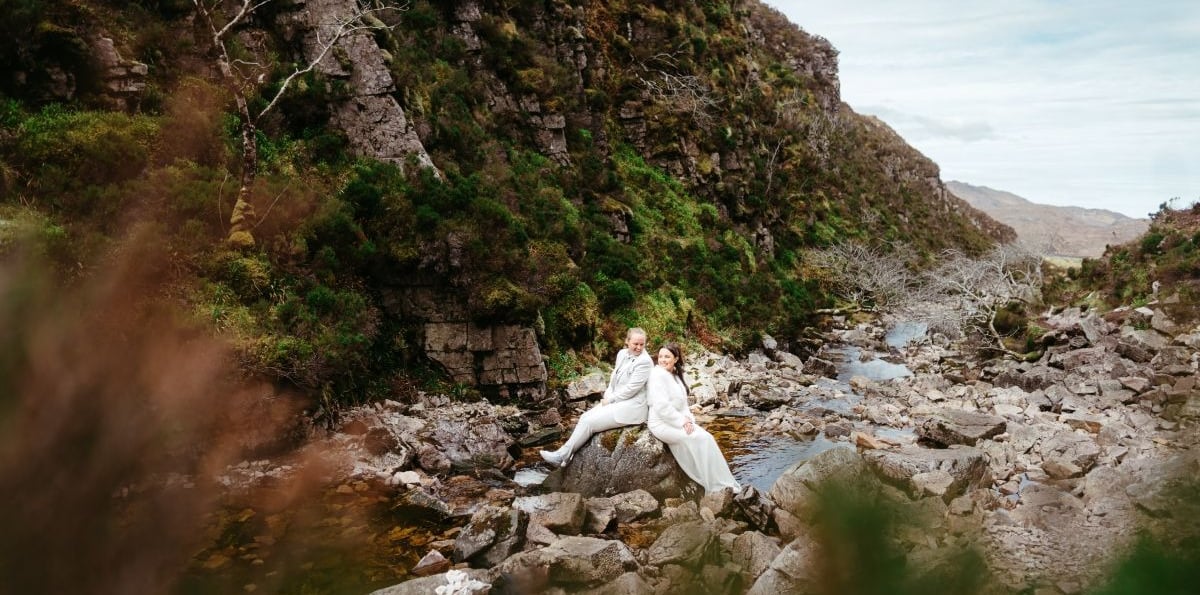
A practical tip: I often help couples find a spot with a natural boundary, like a wall of rock or a small stand of trees. Having something solid behind or beside you can create a sense of having your own private space, which helps you relax into the view without feeling completely exposed.
3. Physical Comfort: The Non-Negotiable Foundation
Being outdoors means your body is constantly processing information: the wind, the cold, the uneven ground. These things can quietly drain your mental energy if you're uncomfortable.
My straightforward approach: Prioritising your comfort is one of the most important things you can do. This is why I'll always encourage you to think about layers and sturdy footwear. It's not about being unromantic—it's about being realistic so you can stay present and joyful.
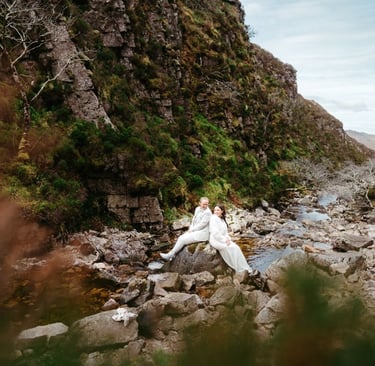
4. Social Comfort: Navigating Public Spaces
Many beautiful spots in Scotland are public. For a private couple, the thought of a stranger appearing can be a source of stress.
How I see it: My job is to create a ceremony that's so focused on the two of you that the outside world fades away. We can choose quieter times and more secluded spots, but more importantly, the ceremony itself becomes a strong sense of a private moment. A walker in the distance doesn't break the spell, because your connection is the real focus.
5. The Weather: The Big One
Let’s be honest, the weather is the biggest source of anxiety for any outdoor ceremony in Scotland. My approach is to plan for it with practical honesty.
The clothing chat: Being cold or wet isn't just uncomfortable; it's a sensory distraction that uses up your mental energy. So, when I bring up layers, waterproofs, and sturdy shoes, I'm not being a party pooper. I'm being practical to help you stay warm, dry, and focused on your promises.
Building in flexibility: On the day, we can be flexible. Sometimes the best plan is to wait 20 minutes for a shower to pass. This takes a bit of certainty out of the schedule, but it gives us the power to adapt, and we’ll always find a balance that feels right.
A straightforward Plan B: We will always have a backup plan. This isn't a "doom and gloom" conversation; it's a constructive one. It might mean moving to a sheltered spot nearby or even indoors. Knowing we have this simple plan in our back pocket means you can relax and not worry about it.
Putting It All Together
Worrying about sensory overload doesn't mean an outdoor wedding isn't for you. It just means you’re being thoughtful about what you need.
My role as your celebrant is to create a ceremony that isn't rigid, but resilient. A well-thought-out outdoor ceremony doesn't ask you to "tough it out"—it's built around you..